The record Mary Lou Williams made for a saint
Black Christ of the Andes, 1964.
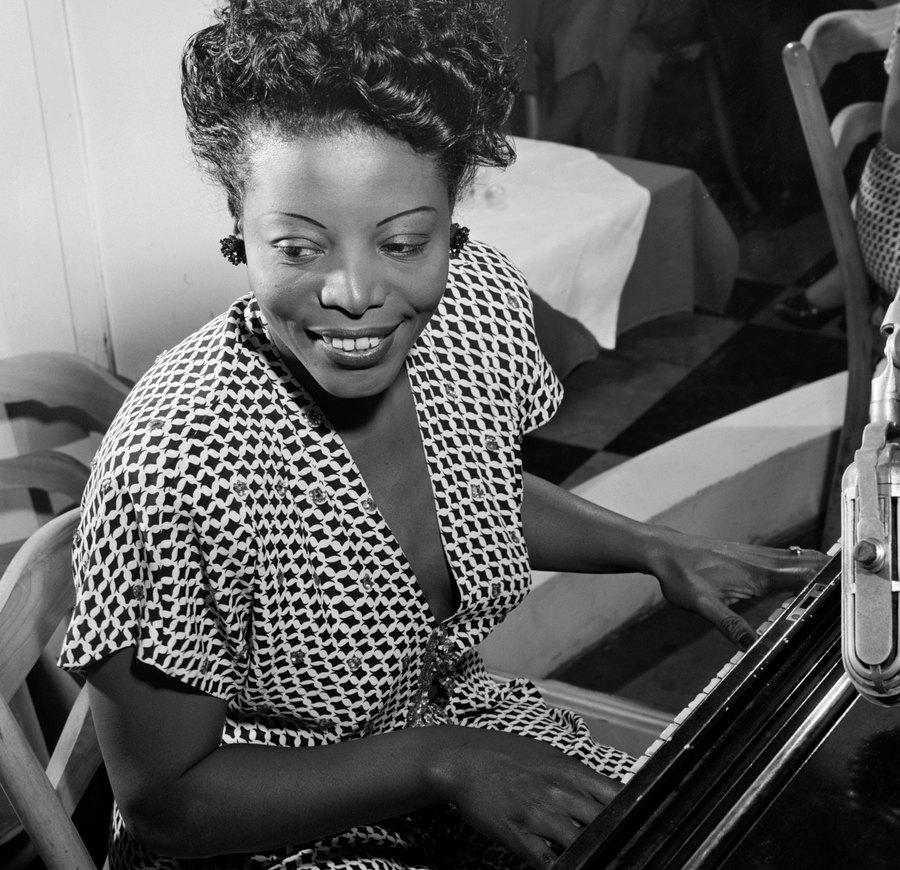
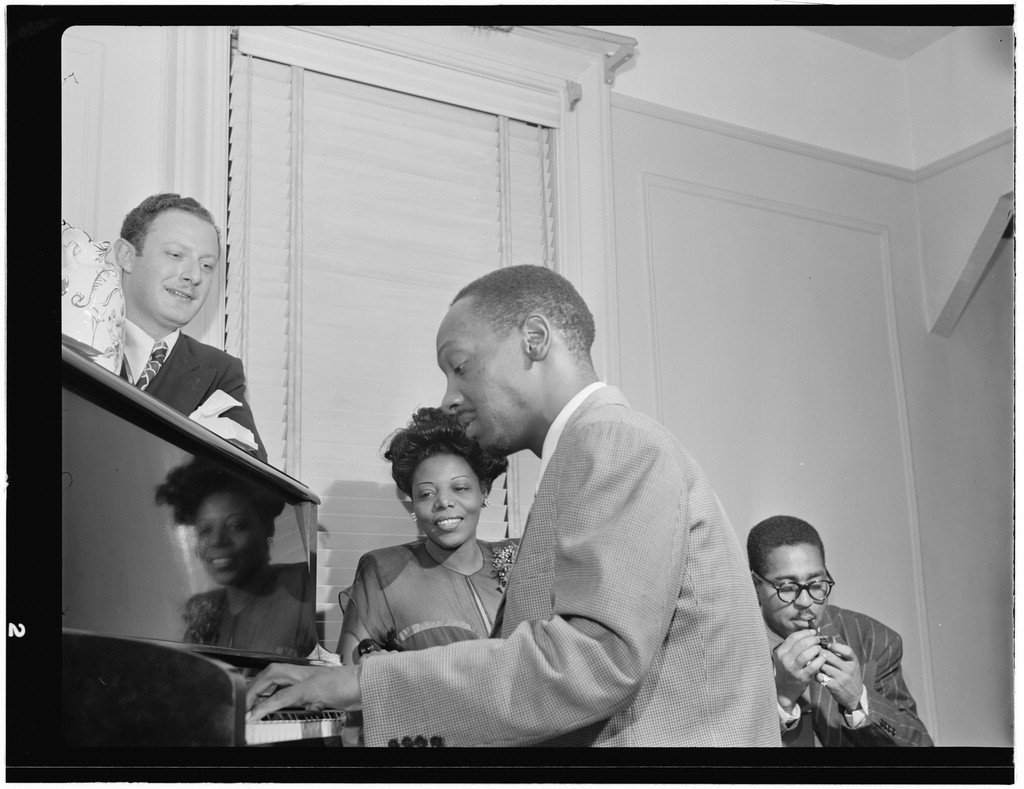
Mary Lou Williams was born Mary Elfrieda Scruggs in Atlanta in 1910 and raised in Pittsburgh, where she was playing parties at six years old to help feed her ten brothers and sisters. They called her the Little Piano Girl. She grew into the woman who wrote and arranged for Duke Ellington and Benny Goodman, and whose apartment became a salon where Thelonious Monk, Charlie Parker, Dizzy Gillespie, and Bud Powell came to learn. They called her the first lady of the jazz keyboard.
Then, in 1954, in the middle of a performance in Paris, she stood up from the piano and walked away. She converted to Catholicism and stopped playing for three years, turning her Hamilton Heights apartment into a halfway house for the poor and for musicians fighting addiction, paying for it with the proceeds of a Harlem thrift store. It took two priests and Dizzy Gillespie to talk her back to the instrument. Her comeback was the 1957 Newport Jazz Festival.
What came out of her now was sacred music. Black Christ of the Andes is built around a hymn to Saint Martin de Porres, the Peruvian saint. It was first performed in November 1962 at St. Francis Xavier Church in Manhattan, and she recorded it in October 1963, releasing it the next year on her own label, Mary Records, with Folkways. "I am praying through my fingers when I play," she told Time in 1964. "I try to touch people's spirits."

Black Christ of the Andes (St. Martin de Porres)
Where it leads: the Masses. Alvin Ailey choreographed her Music for Peace in 1971, and in 1975 she brought Mary Lou's Mass to St. Patrick's Cathedral in New York - the first jazz musician ever to play there. For another woman who turned her music into a prayer, meet Alice Coltrane. Black Christ of the Andes is in our free guide.
Heard it? Come talk about it in the listening room.
Get the next Deep Listen first.
New stories go to the email list before they go anywhere else. Free, one a week.